
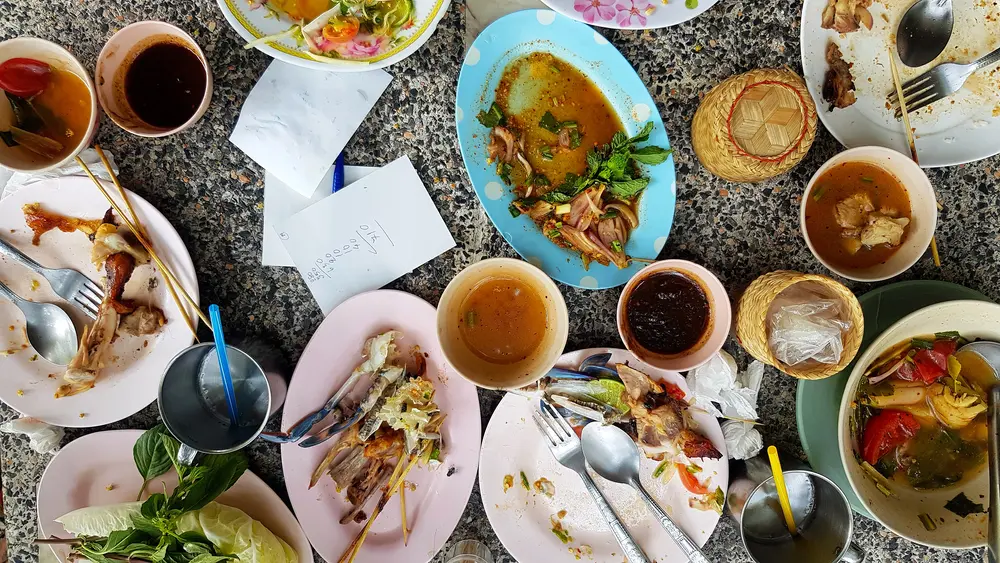
Reducing food waste is a challenge we can no longer ignore. Around 35 percent of household rubbish in Canberra is organic material that ends up in landfill. This creates methane emissions and wastes money and resources. This article explains why food waste is so common and what households can do to reduce it.
Understanding the scale of the problem
Look inside a typical household bin in Canberra and you will find fruit peels, vegetable scraps, leftovers and expired items. Many of these are edible or compostable. When such material is sent to landfill it produces methane and also wastes the water, energy and labour that went into producing the food. Reducing food waste means preventing these losses before they happen.
How household habits contribute
Overbuying, poor food storage and busy schedules are common reasons food is wasted. Leftovers are often forgotten at the back of the fridge or a packet that needs to be used gets pushed to the back of the pantry. These habits add up and are a main reason household rubbish in Canberra contains so much organic matter. By changing these behaviours, reducing becomes much more achievable.
Why reducing food waste matters
Environmental impact
When organic matter breaks down in landfill it produces methane. Methane is a potent greenhouse gas and has a much greater warming effect than carbon dioxide in the short term. Reducing across Canberra will lower methane emissions and help the city meet its climate goals.
Economic cost
Throwing away food is throwing away money. Studies suggest households can save hundreds or even thousands of dollars every year by planning meals and using food more efficiently. For Canberra families this can make a real difference to household budgets.
Resources that go to waste
Food production requires land, water and energy. When food is wasted all of these resources are wasted too. This is why Canberra waste management strategies increasingly focus on reducing as a priority area for intervention.
What Canberra is doing to reduce food waste
The ACT government has moved to tackle food waste through new policies and programs. The Circular Economy Act is one example. It encourages businesses to reduce waste and to make better use of organic material. There are also community initiatives, compost drop off points and education programs designed to help residents cut food waste across the city.
Community and school programs
Local schools and community groups run composting projects and workshops. These programs teach how to compost and why it matters. When young people learn these skills the knowledge spreads to households and neighbourhoods.
Practical solutions for households
Plan meals and shop smart
Planning meals for the week helps avoid impulse buys and reduces the chance of food going off. Keep a list and use up what you already have before buying more. This simple habit reduces waste and saves money.
Store food properly
Proper storage extends the life of produce. Use airtight containers, learn which foods can be frozen and keep track of use by dates. Small changes like rinsing fruit and keeping greens wrapped in paper towel can keep them fresh longer.
Compost at home
Composting turns food scraps into valuable soil conditioner. If you have a garden a compost bin or a worm farm is a low cost investment. For those in apartments there are compact composting systems that work indoors. Joining a community compost program is another option.
How skip bins and rubbish removal services fit in
Many people associate skip bins with construction debris but they also have a role in organic waste management. Green waste skip bins in Canberra are useful for large garden clean ups and seasonal pruning. When green waste is separated from general rubbish more of it can be processed into compost rather than sent to landfill.
Green waste skip bins in Canberra
Using a green waste skip bin for branches, grass clippings and plant matter makes large tidy ups easier. Local services will transport the material to appropriate processing facilities where it can become compost or mulch.
Rubbish removal Canberra services
Professional rubbish removal services can help households sort waste when doing big clean ups. Separating food waste and green waste from general rubbish means a greater proportion can be recovered or composted.
Education and behaviour change
Education is essential to shift household habits. Workshops, school programs and local councils can share practical tips that make reducing straightforward. Once people understand the environmental and financial benefits of reducing waste they are more likely to act.
The broader Canberra waste management picture
Food waste is one part of the waste puzzle. Recycling, green waste and hazardous waste are all managed through separate streams. By reducing food waste Canberra can reduce pressure on landfill space and create higher quality recyclables and compost for use in parks and farms.
Opportunities in compost and biogas
Organic material diverted from landfill can become compost or be used in anaerobic digesters to produce biogas. Both outcomes deliver value and help create a circular economy where waste becomes a resource.
You May Also Like To Read About : Skip Bin Hire for Small Construction Jobs in Canberra – Tips & Sizes
Simple steps residents can take today
- Start small. Try freezing leftovers or keeping a compost bucket in the kitchen.
- Get the family involved. Make reducing food waste a household habit.
- Use local green waste providers for big garden clean ups.
- Share excess food with neighbours or community groups.
- Support council initiatives and give feedback on waste programs.
Take action with Skip Bins Canberra
If you are planning a garden clean up or a major household tidy up consider hiring a green waste skip bin. Separating organic material makes it easier to compost and reduces the amount sent to landfill. Contact Skip Bins Canberra to learn about green waste options and rubbish removal services that help you reduce food waste.