
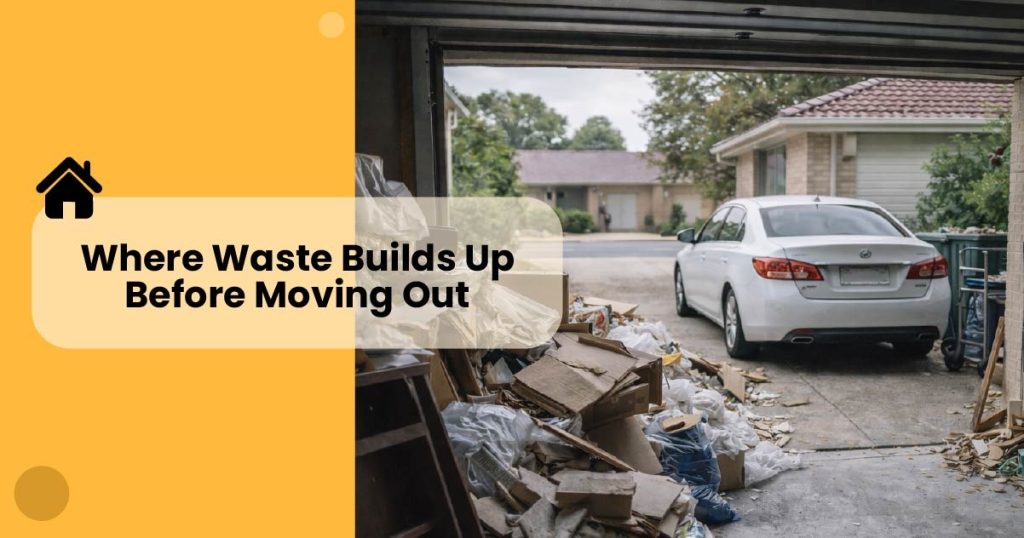
Across Canberra relocations, waste rarely becomes a problem at the end of a move. It becomes a constraint at the beginning. Long before packing is complete or timelines feel pressured, discarded materials start occupying space that operations depend on.
For business owners, site supervisors, and project managers overseeing property transitions, this early waste accumulation is one of the most consistent causes of access issues, compliance friction, and schedule slippage. Not because disposal is difficult, but because it is addressed too late.
Waste Accumulation Begins Before the Move Feels Active
In most Canberra house moves, waste does not appear as a final clean up task. It emerges during the first stages of preparation. Storage rooms are cleared. Garages are stripped. Items deemed uneconomical to relocate are set aside quickly.
These materials are often staged temporarily, but temporary piles rarely remain temporary. By the time skip bin hire is considered, waste has already claimed critical working areas and access routes.
In ACT properties where driveways, shared access, or frontage space is limited, early waste congestion directly reduces compliant placement options under council requirements.
Where Waste Builds Up Fastest During Canberra Moves
Across Canberra and surrounding ACT regions, waste consistently concentrates in the same locations.
Garages are the first pressure point. Shelving, damaged equipment, packaging materials, and mixed household waste are typically stacked here early. Once this space is compromised, vehicle access and material flow are immediately affected.
Outdoor areas follow closely. Side yards, courtyards, and driveways become holding zones for bulky items. In many Canberra suburbs, fencing, gradients, and proximity to neighbouring properties limit how long waste can remain without creating access or compliance issues.
Inside the property, spare rooms often become overflow zones. When waste remains internal for extended periods, later removal requires additional handling and coordination. This creates delays when trades, cleaners, or final inspections are scheduled.
Why Delaying Skip Bin Hire Creates Operational Friction
Many relocations treat skip bin hire as a response to visible waste. By the time waste is clearly accumulating, placement flexibility has already narrowed.
In Canberra, skip bin placement must account for footpath clearance, driveway access, and road safety requirements under ACT council rules. When waste occupies access routes before booking, compliant placement options are reduced.
This leads to rushed delivery decisions, altered schedules, or additional bin movements. Each adjustment introduces cost exposure and disrupts timelines. What should be a controlled sequence becomes reactive.
Waste Control Affects More Than Site Cleanliness
For commercial operators and supervisors, unmanaged waste is not a superficial concern. It directly impacts labour efficiency, schedule reliability, and site readiness.
When waste builds up without a defined removal pathway, crews spend time relocating materials instead of progressing work. Trades overlap inefficiently. Site access becomes constrained. Compliance risk increases as waste remains onsite longer than planned.
Experienced operators treat waste flow as an operational variable, not a clean up task reserved for the final stage.
Planning Waste Removal Before Booking Preserves Control
Projects that maintain control in Canberra identify waste concentration points before booking skip bin hire. This allows placement and timing to align with how waste actually moves through the site.
Early booking reduces rehandling. It preserves access. It supports compliant placement. Most importantly, it stabilises timelines by preventing waste from dictating decisions.
Skip bin hire is most effective when it supports site flow rather than reacting to disruption.
Local Knowledge Matters Under ACT Conditions
Canberra operating conditions are specific. Council placement requirements, access limitations, and delivery timing vary by suburb and property type. Working with a local provider familiar with ACT expectations reduces avoidable friction.
Reliable skip bin hire is not defined by availability alone. It depends on placement awareness, access coordination, and delivery reliability within local constraints.
Recommended Reads: The Small Skip Bin Trap Canberra Businesses Keep Falling Into
Early Booking Preserves Site Control
Waste accumulates earlier than most moves anticipate. Once it occupies key spaces, control becomes difficult to regain. Booking skip bin hire only after waste has already built up leads to reactive decisions that restrict access, increase compliance exposure, and disrupt scheduling.
Early waste planning supports predictable timelines, clearer site conditions, and smoother execution across Canberra based relocations and site transitions. Direct booking can be made here!